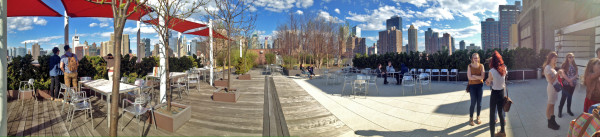
The view from Ogilvy’s rooftop deck was truly amazing.
The view from Ogilvy’s rooftop deck was truly amazing.
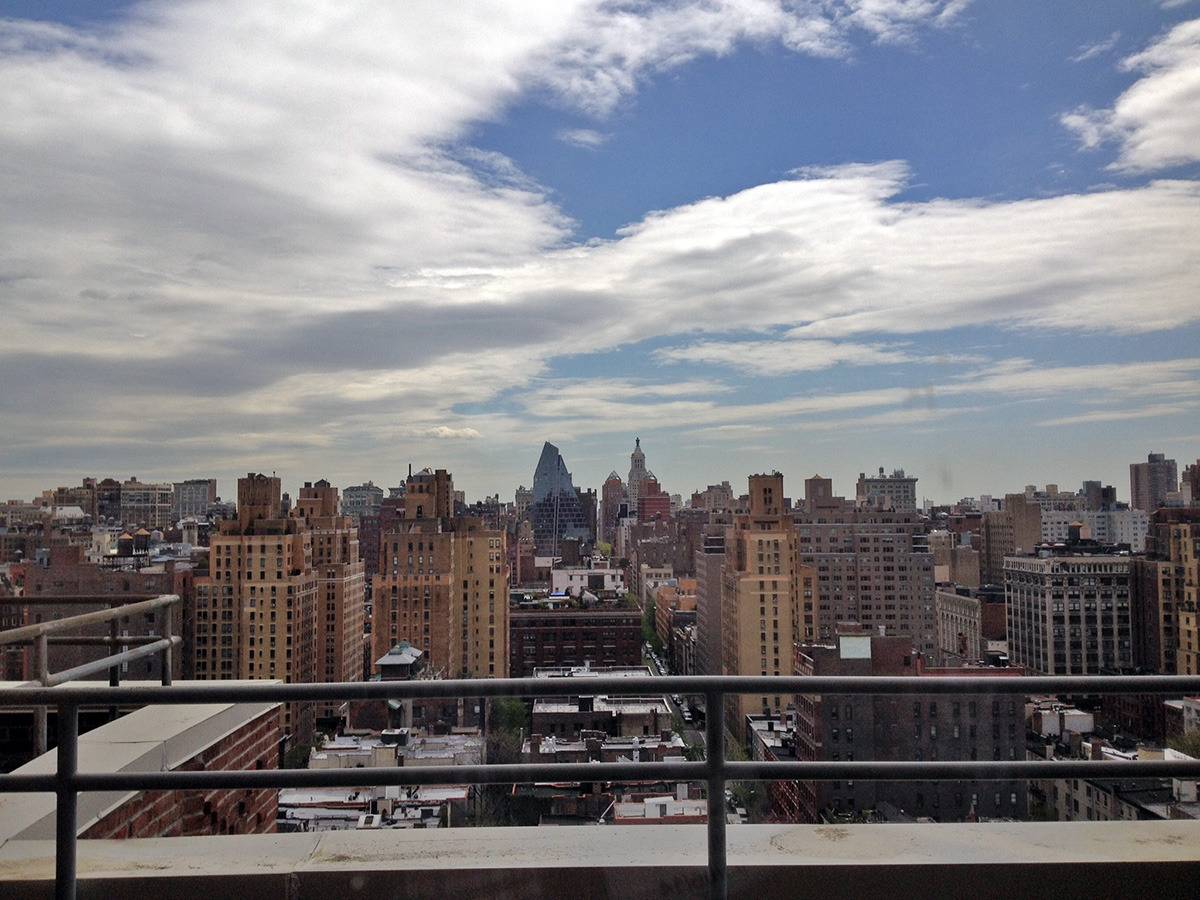
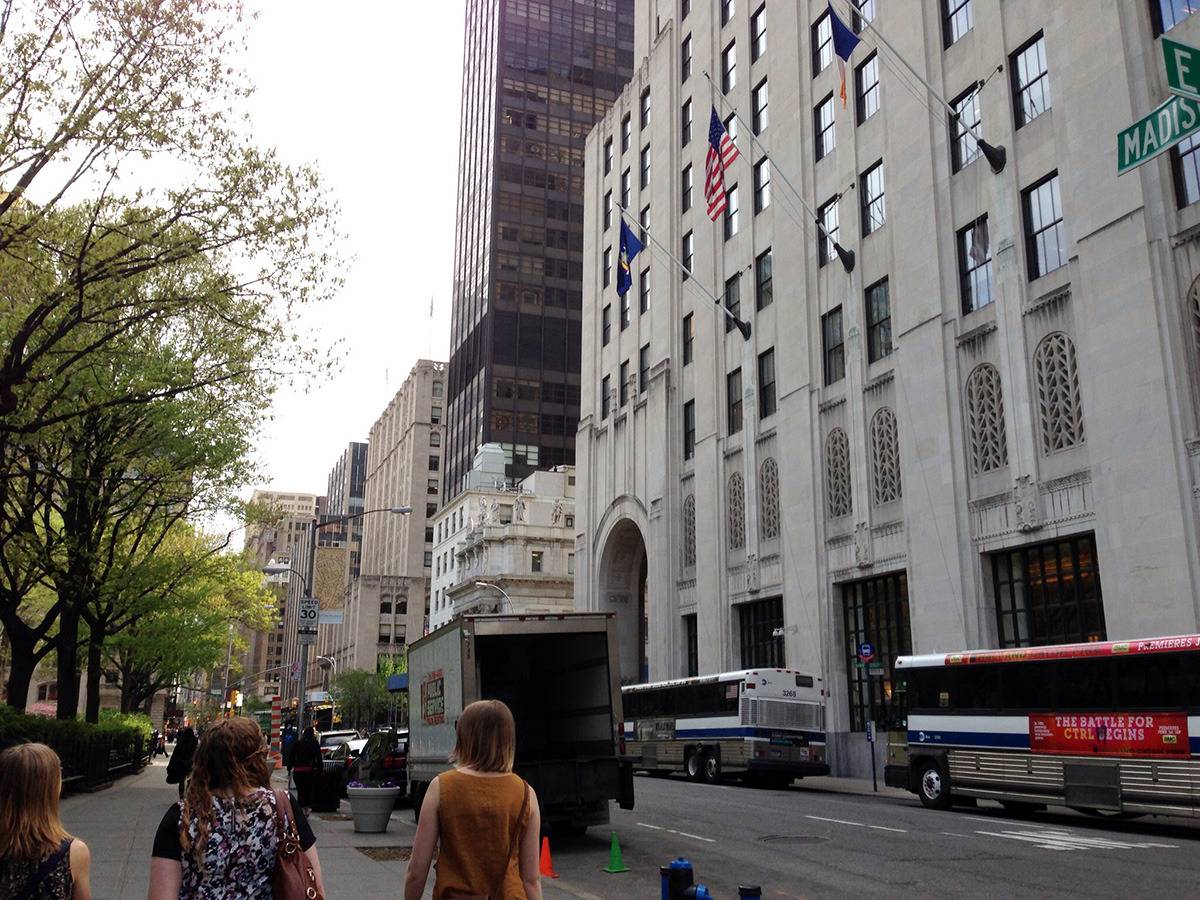

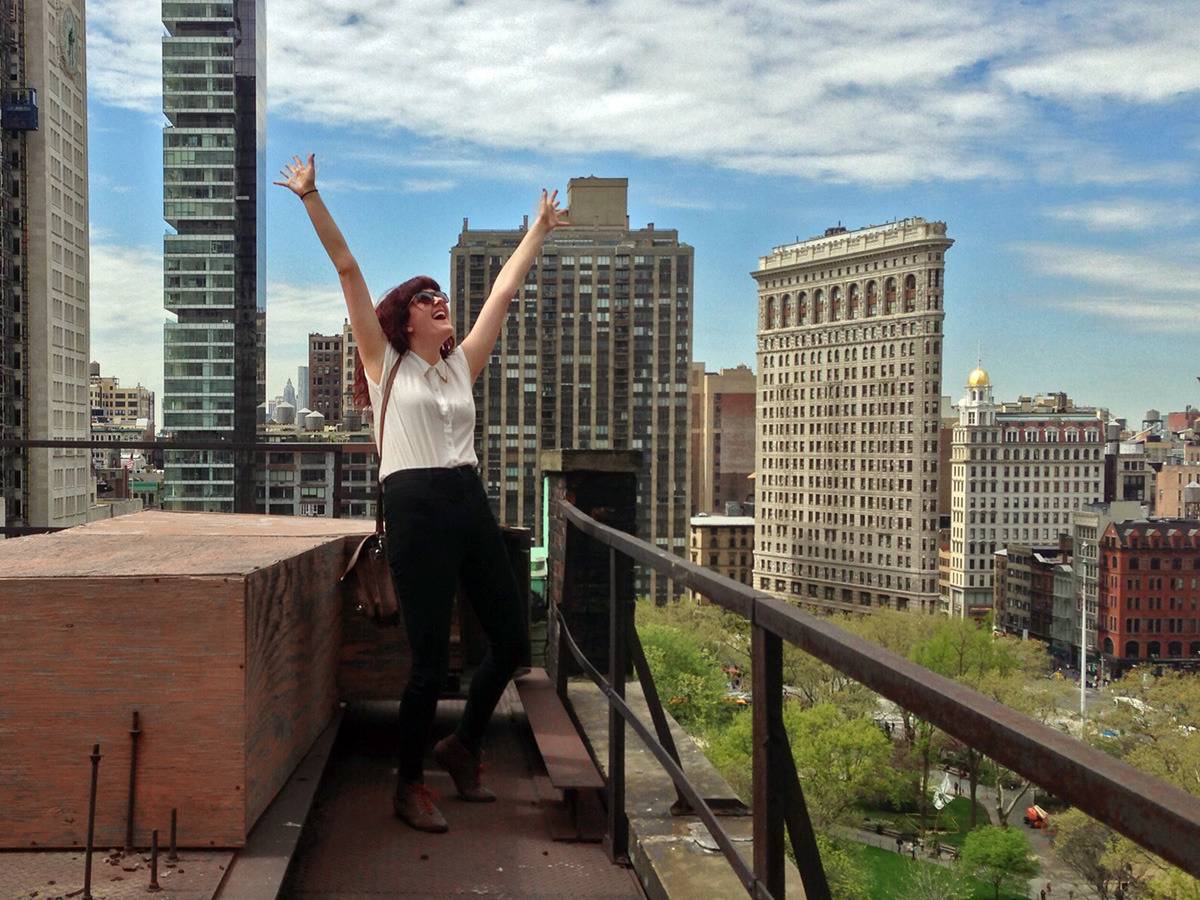
Everybody was up by 9am on tuesday morning; we had continental breakfast (read: bagels and coffee) in the hotel lobby, said goodbye to Mamo, and headed off for One Show-organized “agency tours”. Over the course of the day, we visited four Manhattan agencies:
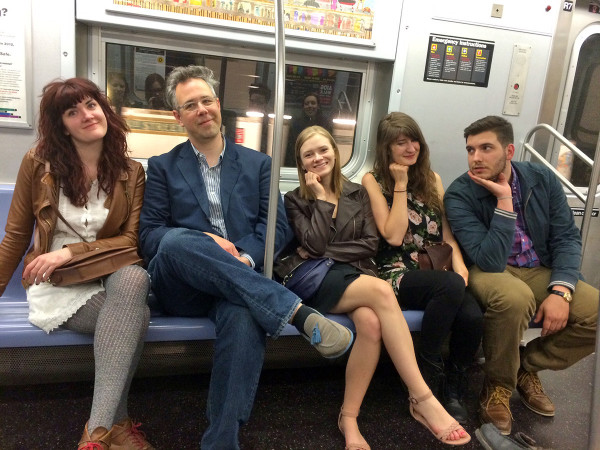


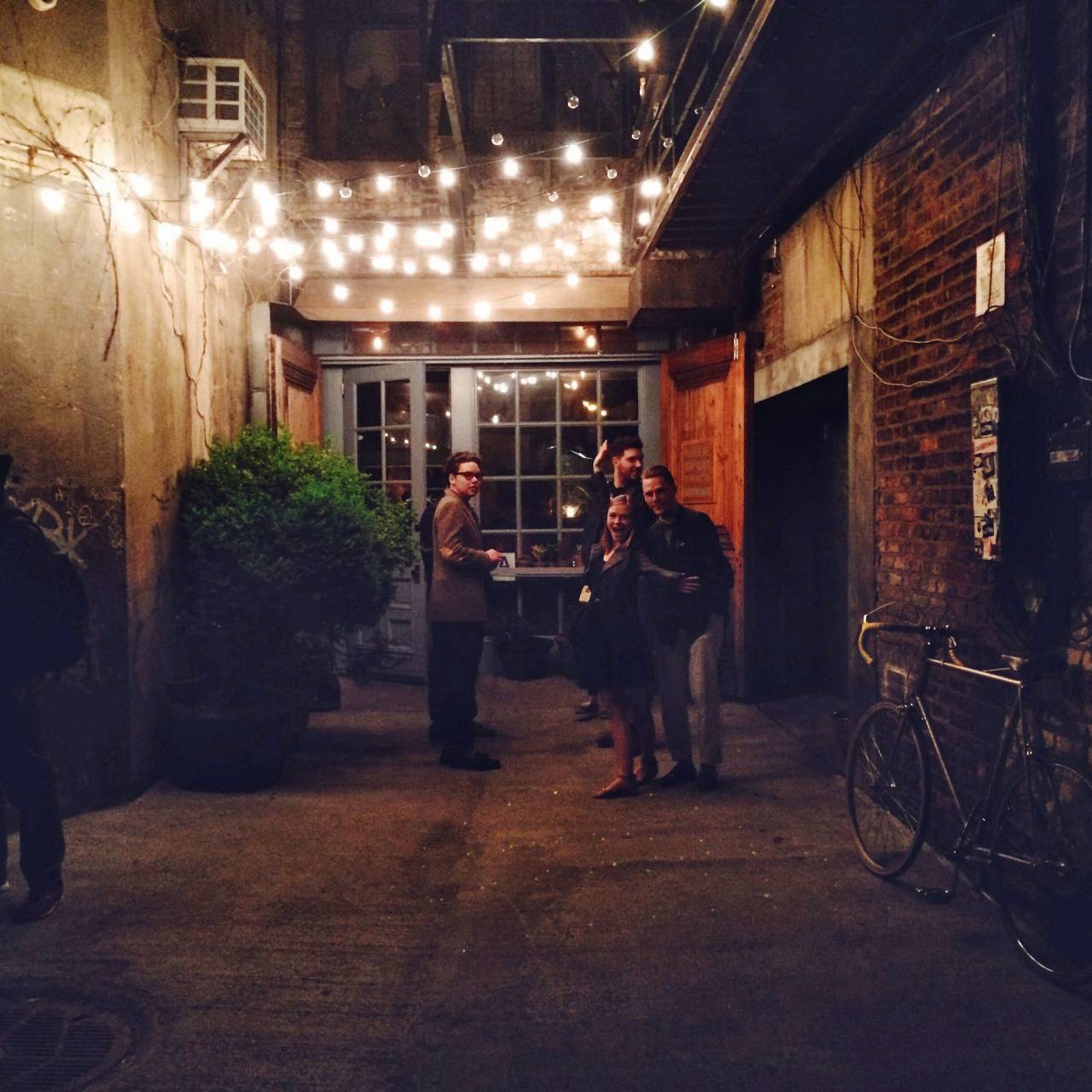

It’s been an exciting, action-packed week, and I haven’t done a very good job of keeping you appraised. So here’s an update: This week, I went to New York City with some classmates and our teacher to attend the One Club’s Young Ones awards ceremony. Three of my friends, Theresa, Graham, and Karl, won a pencil—the other six of us that went along (me, Jen, Tay, Anna, Julia, and Haley), received finalist status for merit. Considering the fact that most of us didn’t actually win, it was tremendously generous of CCAD to take us on the trip! Our senior ad teacher, Matthew Mohr, served as chaperone and cicerone.
We left monday morning. Due to some minor delays, we didn’t actually make it on the road until around 11:30am. Even so, the nine-hour car ride was lovely. Shortly after departing, we had an existential crisis after realizing that now, since were were finished with school, we should probably call Mr. Mohr something more casual. We all agreed referring to him as “Matthew” would be too weird, so we devised the clever nickname “Mamo”, which was used heavily all week. We finally made it into the city just before 9pm—just in time to make our dinner reservation. We checked into our hotel, the Chelsea Savoy, and then went straight to dinner at Freemans, a charming little place recommended by Mamo. The restaurant was full of exotic mounted game heads and stuffed birds in plexiglass cases. I ate a vegetarian pot pie, which was delicious and worth the lots of money I paid for it. It is New York City, after all.
We walked around SoHo for a bit before taking the subway back to the Flatiron district, where we ended up at a bar called Maysville. Even though they were already closing up (it was a monday night, after all), they let us stay for a while and have a drink. I had a very nice Sazerac.
At this point, it was already after midnight, and a bunch of people left to go sleep. I continued on with Theresa, Karl, Graham, Anna, and Mamo; we trooped a few doors down to the Flatiron Room, where Mamo and Graham bought expensive glasses of Scotch. After a bit of time there, we headed out to find a place somebody had just told us about, called Milk & Honey. We barely found it—the entrance was completely unmarked and set off from the street by a heavy black curtain—but once we went inside it was like we’d found a spectacular secret oasis. Things were quiet and peaceful and truly otherworldly; we were seated in a cozy private booth and instructed to give the waitress “an idea” of what we wanted so the bartender could make something special for each of us. I got the mythical Campari and egg white drink I’d been really wanting all day, and it was spectacular. The lady who waited on us was very nice, and she gave us olives and almonds on the house—as well as a round of Campari Mai Tais while we were finishing up. Everything was perfect.
The car trip took all of our daylight hours, but we made up for it with a full night of exploring and culinary experiences and pleasant conversation. Exactly the sort of thing you should do as soon as you get to New York City! I didn’t get to bed until 3am, and it was lovely.
To be continued! More 9 YOUNG ONES adventures in my next post…
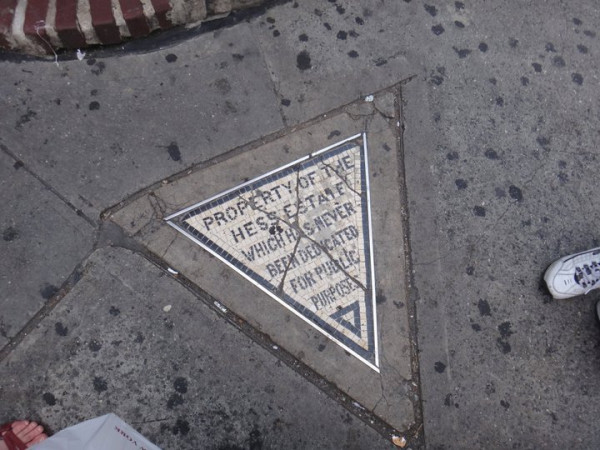
Back in the 1910s, a great swath was being cut diagonally across the [West] Village, to extend and widen Seventh Avenue below Greenwich Avenue and to allow the IRT subway to move farther downtown. Using the power of eminent domain, the city decisively condemned and demolished 300 pieces of property, including a five-story residential building called the Voorhis Apartment, owned by a Mr. David Hess.
Somehow, when all was said and done, Mr. Hess was left owning a small triangle of land. To add insult to injury, the city wanted him to “donate” the parcel, which would be incorporated into a new sidewalk. Hess refused. He defied municipal bullying and went to court to assert his rights. By the time the case was settled, “The D. H. Hess Estate of Philadelphia” was the obstinate owner of approximately 500 square inches of useless surface area.
But they made the most of it (symbolically speaking) when, on July 27, 1922, workers used black and yellow tile to create a defiant shoe-level inscription — which still exists today in its cracked, worn and eloquent state.
This proud plot remained the smallest piece of property in New York City well into the 1930s. Figuring the point had been made, the estate sold the tiny triangle to the owners of the cigar store in 1938 for $1,000. Today it remains a curious geometric reminder of a case where private property faced off against “progress” and came out the (admittedly modest) winner. SOURCE
Private property for the win. Imagine if all of New York’s streets and sidewalks were privately owned.